

Prices last verified: September 2026 by Charles Okello, BSc Horticulture, Hortitechno Produce and Services.
Table of Contents

Looking for reliable seedling bags suppliers in Kenya? We at Hortitecho Produce and Services are the best seedling bags suppliers in Kenya of high quality,durable and affordable planting bags. We stand out as top seedling bags suppliers in Kenya, delivering innovative solutions.The agricultural sector in Kenya is rapidly expanding. With the rise of modern farming techniques, the demand for quality nursery supplies is growing. Farmers rely on reputable seedling bags suppliers in Kenya. Among the essential items for farmers are seedling bags which are crucial for propagating healthy plants before transplanting them into the field.
Seedling bags
They are small, flexible plastic or fabric containers used for growing young plants or seedlings before they are transplanted into the ground. These bags provide a controlled environment for root development, ensuring better survival rates and healthier plants. Seedling bags suppliers in Kenya provide them for use in nurseries, greenhouses, and tree plantations. The seedling bags suppliers in Kenya help local farmers increase their productivity and improve plant health.
How seedling bags improve plant growth
Compared to direct planting in the ground, seedling bags prevents roots damage allowing the roots to grow freely without obstruction. This enables the plants to develop stronger roots.
They are portable hence they can be moved to controlled environment like greenhouses for better protection from pests.
Seedling bags have a good drainage, they prevent water logging reducing the risk of root rotting. They are made from materials that retain moisture
Areas where seedling bags are applicable
Seedling bags are commonly used in areas where the soil has poor drainage or is not suitable for direct planting.
- Waterlogged Areas – Regions with high water retention, such as clay soils, swamps, and low-lying flood-prone areas.
- Greenhouses and Nurseries – Where controlled environments are required for optimal seedling growth.
- Urban and Rooftop Gardening – Where natural soil is limited or absent.
- Arid and Semi-Arid Lands – Where soil is too compact or sandy for seedlings to establish well.
- Deforested and Degraded Lands – For reforestation and afforestation projects where the natural soil may be too poor to support direct seedling establishment.
- Hilly and Rocky Areas – Where the ground is too hard or lacks enough soil depth for proper root penetration.
- Plant Propagation Centers – Where seedlings need to be nurtured before transplanting to open fields.

Prices of seedling bags in Kenya, 2025.
Seedling bag prices vary depending on size, thickness (gauge) and quantity purchased.
| Sizes | Prices per piece (Kes) | Price per bundle (100 pieces) (Kes) |
| 3 x 5 | 0.90 | 90.00 |
| 3 x 6 | 1.00 | 100.00 |
| 4 x 6 | 1.10 | 110.00 |
| 5 x 8 | 1.40 | 140.00 |
| 5 x9 | 1.60 | 160.00 |
| 6 x 9 | 1.80 | 180.00 |
| 7 x 10 | 2.50 | 250.00 |
| 8 x 10 | 2.80 | 280.00 |
| 7 x 12 | 3.00 | 3000.00 |
| 9 x 12 | 3.60 | 360.00 |
| 8 x 14 x 14 | 15.00 | 1500.00 |
Available seedling bags suppliers in Kenya provide
Seedling bags suppliers in Kenya provide seedling bags that are made from different materials. We provide a variety of sizes and materials as seedling bags suppliers in Kenya to cater to every planting need.Here are different types of seedling bags in kenya.
Uv – treated polyethene seedling bags -They are durable, affordable, water resistant and can also be reused. They come in different sizes and are the most widely used seedling bags, especially for crops like vegetables, flowers, and tree seedlings.
Decomposable/ Biodegradable seedling bags – These seedling bags are known for there environmental benefits, they are made from organic materials which degrade overtime reducing plastic waste.
Seedling Tray Bags -These are designed to hold multiple seedlings in one tray, commonly used for mass production of crops like tomatoes and peppers. They allow for better root formation and are often used in greenhouses and nurseries.
Paper pot seedling bags – Made from recycled paper, these bags decompose naturally in the soil after planting. They are often used for direct planting in the soil.
Mesh seedling bags – These seedling bags are made from durable materials like woven polyester, more common for crops like potatoes, onions, or any plant requiring air circulation.
Plastic pouch seedling bags – Made from durable materials like polyethlyne .They are lightweight, flexible and small sized, often used for growing flowers and smaller vegetables.
What plants thrive best in seedling bags?
Vegetables such as: Tomatoes, onions, capsicum, spinach, cabbage, kales, cucumber eggplants.
Fruits: Avocado, passion fruits, mangoes, papaya, pipeapples, oranges, watermelons.
Trees: Eucalyptus, cypress, pine, grevillea, mahogany, ceder, jacaranda, moringa
Flowers: Sunflowers, marigold, Lavender, snapdragon, aster, lobelia etc.
How seedling bags suppliers in Kenya determine prices
Seedling bags suppliers in Kenya prices differ because of the different sizes and materials they are made from. Thicker seedling bags cost more due to the increased material usage. High-quality UV-treated plastic bags are prices higher as they last longer and protect seedlings from harsh sunlight while recycled plastic bags tend to be cheaper but may have lower durability. Wholesale buyers get discounts compared to those purchasing in small quantities.
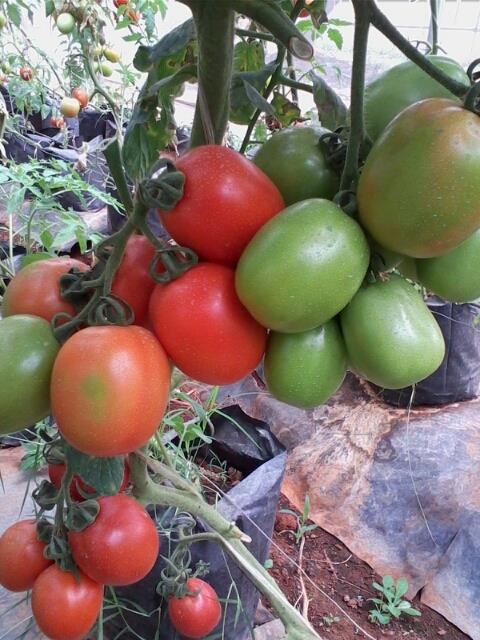
Leading Supplier of Seedling Bags in Kenya: Hortitechno Greenhouse and Irrigation
As one of the top seedling bags suppliers of in Kenya, Hortitechno Greenhouses and Irrigation understands the unique needs of farmers and is committed to providing high-quality solutions. Whether you’re growing vegetables, flowers, or fruits, we offer seedling bags that are designed to support optimal root development and healthy growth. Our bags are made from durable, eco-friendly materials that promote sustainability in farming practices.
We offer a wide range of sizes and types to meet the needs of different crops, from small vegetable seedlings to large fruit trees. Our products are used by commercial farmers, small-scale growers, and nurseries across Kenya.

Guidelines for using seedling bags application
Chooses the right size seedling bags that are appropriate for the growth requirements of your plants because too large or too small size can affect root development.
Ensure the seeding bags have proper drainage holes to avoid waterlogging and root rot.
Use high quality soil to fill the seedling bags with nutrient-rich, well-draining soil.
Avoid overcrowding the seedlings by ensuring proper spacing in each bag, allowing roots room to expand.
Water regularly but avoid over-watering. Seedling bags dry out faster than traditional containers, check moisture levels frequently.
Place seedling bags in an area where they receive appropriate sunlight for the plant species. Some seedlings may require more direct sunlight than others.
For tall or heavy plants, consider adding support structures for the bags as they grow.
Apply appropriate fertilizers at recommended intervals to ensure healthy growth.
When seedlings are ready to be transplanted into the ground or larger containers, carefully remove them from the bags to minimize root damage.
Advantages of using seedling bags
- Different planting media can be used in seedling bags to optimize growth depending of species to be cultivated i.e. coco coir, compost, peat moss and, vermiculite.
- Seedling bags provide ample space for roots to grow freely, ensuring healthy root systems.
- Seedling bags are often a low-cost option compared to other methods like trays or open soil thus they are cost effective and beneficial for both small-scale and large-scale farmers in Kenya.
- Allows for better monitoring and care of young crops, this helps in pest and disease control.
- Seedling bags can be used in both small and large spaces, they are portable thus they can easily be moved.
- Seedling bags save space. They allow maximized use of available space in greenhouses, nurseries, or even on small plots of land.
- Using seedling bags ensures that the plants are not directly exposed to the ground, helping to reduce soil erosion.
- They have a better water retention and drainage, contributing to healthier plant growth.
- Some of the seedling bags are used directly while others can be used for more than 2 season if handled in a proper way.

Why Choose Hortitechno as your Seedling Bags suppliers in Kenya?
The following are factor you can consider before choosing us as your seedling bags suppliers in Kenya:
Premium Quality – Our seedling bags are made from top-grade materials designed to ensure proper aeration, drainage, and root development, leading to healthier seedlings and higher survival rates.
Affordable Prices – We offer competitive prices without compromising on quality. Whether you need small or bulk orders, we provide cost-effective solutions for farmers, horticulturists, and nurseries.
Various Sizes Available – We stock a wide range of seedling bag sizes to cater to different plant species, from vegetables and fruits to trees and flowers.
Environment Friendly and Durable – Our seedling bags are made to be reusable, environmentally friendly, and long-lasting, making them an ideal choice for sustainable farming.
Nationwide Delivery – We deliver seedling bags across Kenya, ensuring convenience and accessibility for all our customers.
Conclusion
As the demand for quality seedling bags continues to grow, reliable seedling bags suppliers in Kenya like Hortitechno Greenhouses and Irrigation play an essential role in supporting the agricultural sector in Kenya. At Hortitechno Greenhouses and Irrigation, we not only provide quality seedling bags but also contribute to the overall improvement of farming practices in Kenya. Our mission is to help farmers produce healthy crops that lead to better yields and increased income.
We also offer guidance on how to use our products effectively, ensuring that farmers can make the most out of their seedling bags for optimal results. Whether you are a commercial farmer, a nursery operator or a smallholder, we are here to support your farming journey.
Further reading: the Kenya Agricultural and Livestock Research Organization (KALRO) and the Ministry of Agriculture and Livestock Development publish crop, greenhouse and irrigation guidelines for Kenyan farmers.
